Bizen Ware : No Two Alike
 Purejapan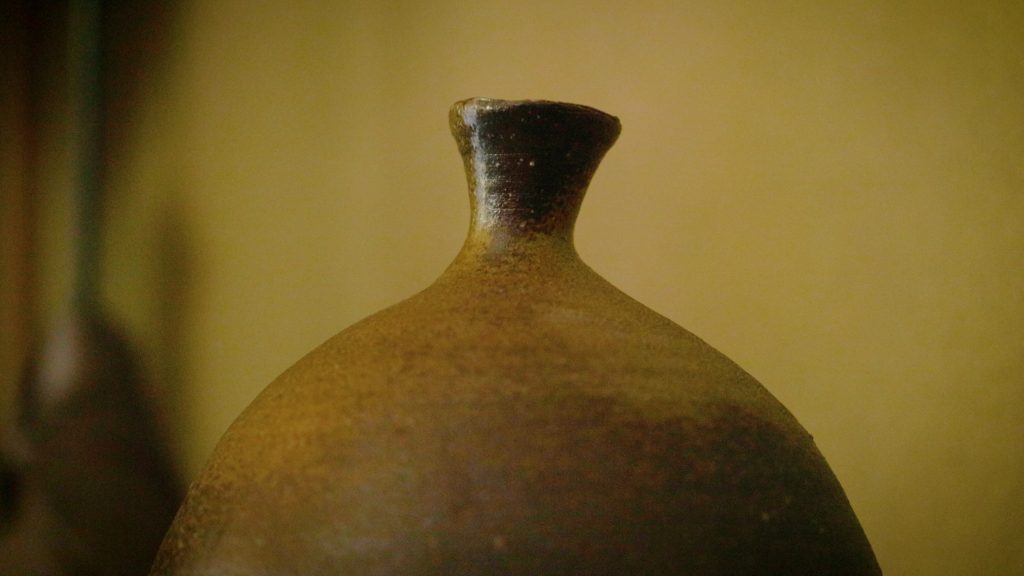
Jumpei Kaneshige — Crafting the Unrepeatable
For more than a thousand years, Bizen ware has been shaped from nothing more than earth and fire.
Counted among Japan’s Six Ancient Kilns, Bizen is one of the country’s most elemental ceramic traditions. Made without glaze and brought to completion by clay and flame alone, it is at once austere in method and profound in expression. Originally, Bizen developed as pottery for daily life—jars, storage vessels, and mortars created for use rather than display.
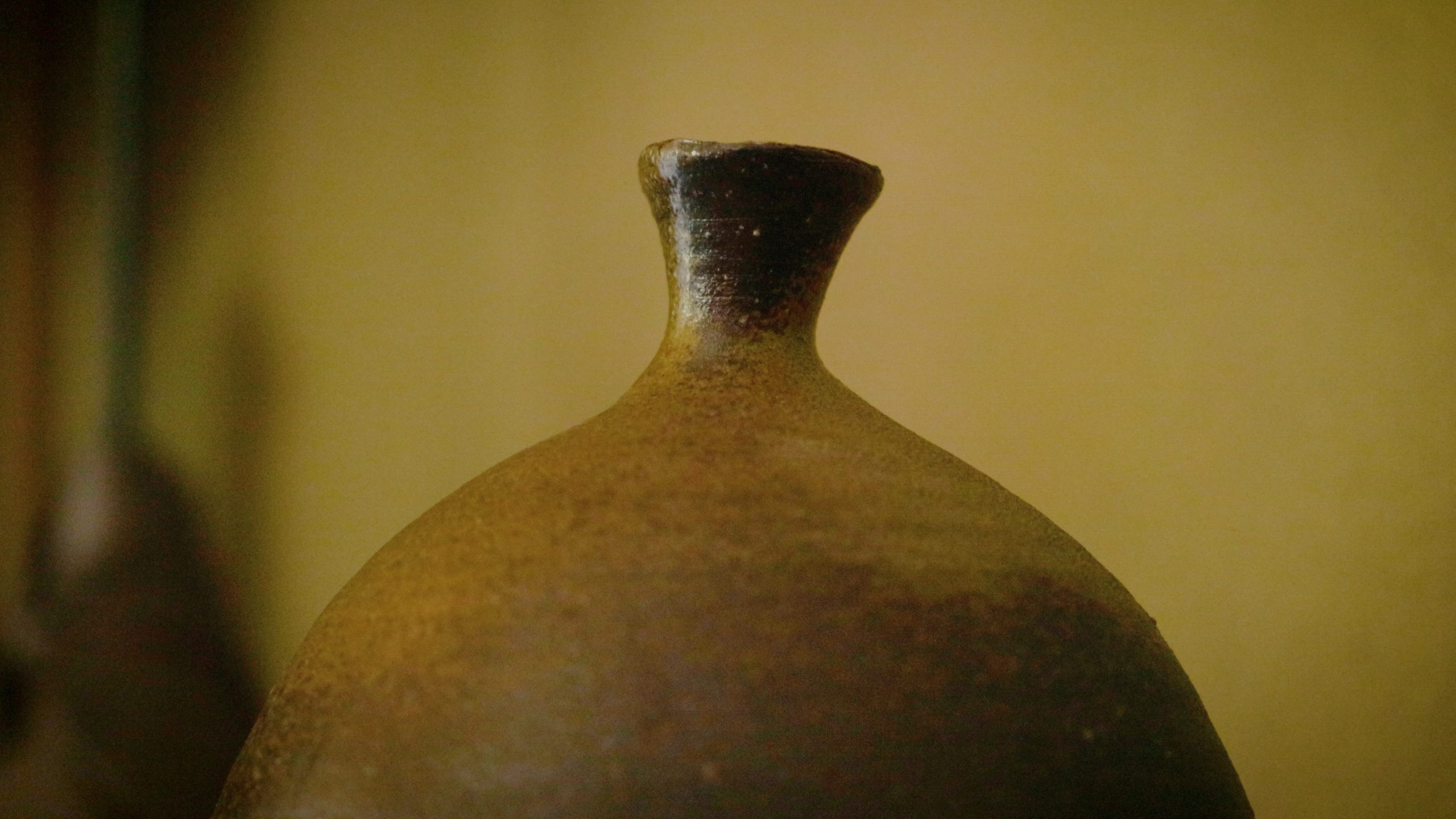
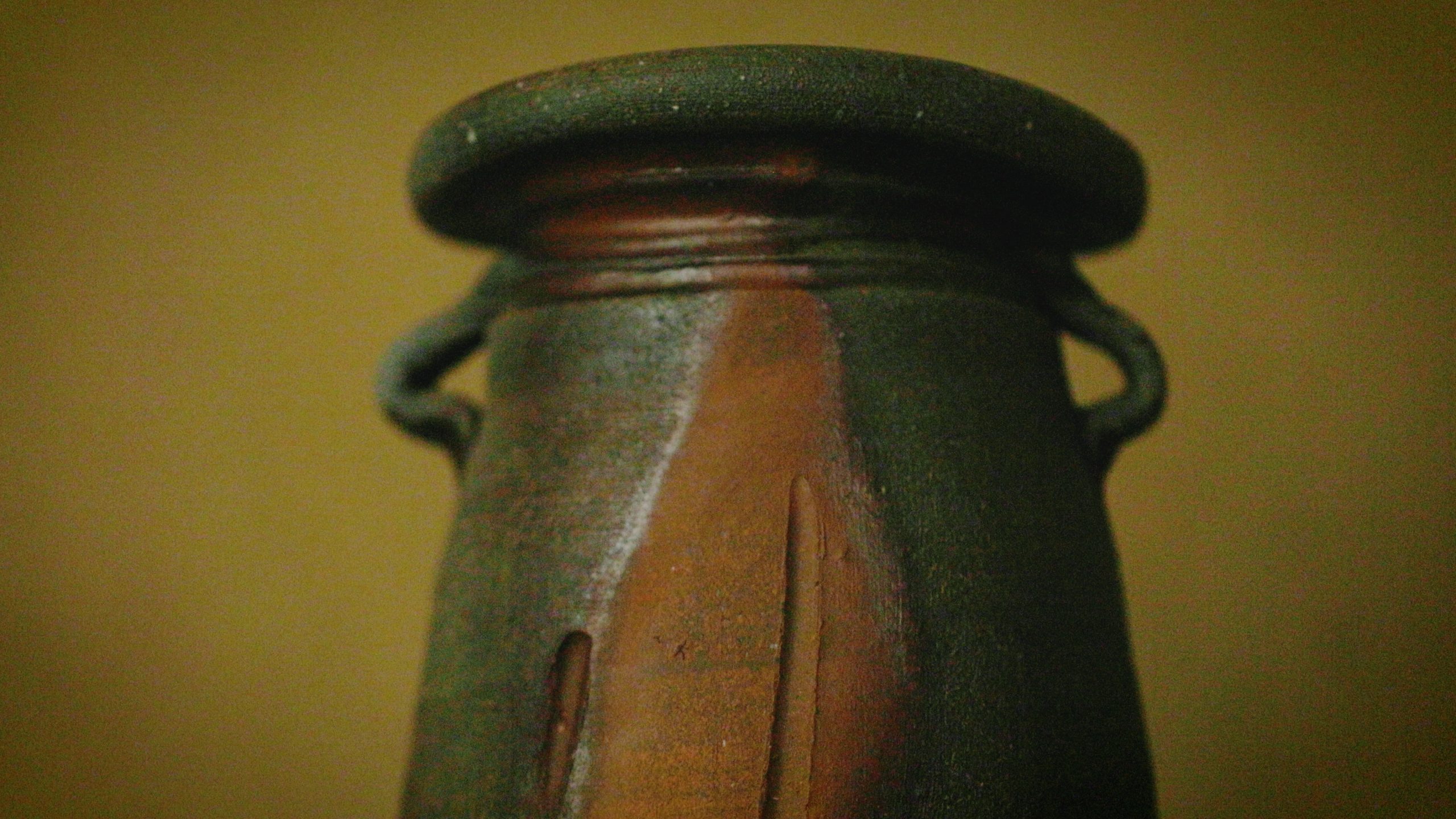
Its defining transformation came in the late Muromachi period, when the aesthetics of Wabicha began to flourish. Tea practitioners, drawn to its unglazed surface and unadorned beauty, found in Bizen a sensibility that resonated deeply with the emerging ideals of the tea ceremony. It was then that Bizen came to be esteemed not merely as utilitarian pottery, but as tea ware of a distinctly elevated order. In the Meiji period, Bizen found new outlets in such areas as earthen pipe production, yet the circumstances surrounding the tradition remained difficult. It was Toyo Kaneshige—later designated a Living National Treasure—who reversed that course and restored Bizen to the modern age.
Known reverently as “the living deity of Bizen” and “the reviver of modern Bizen,” Toyo Kaneshige is celebrated for reanimating the spirit of old Bizen. He introduced innovations in clay preparation, kiln structure, and firing techniques, recovering a historic beauty and translating it into the modern age. His contribution was not only technical but cultural: he helped elevate Bizen from the realm of practical household ware into that of art. Through exchanges with figures such as Rosanjin and Isamu Noguchi, he also brought the appeal of Bizen to audiences beyond Japan, playing a pivotal role in the revival of a tradition that had once stood on uncertain ground.
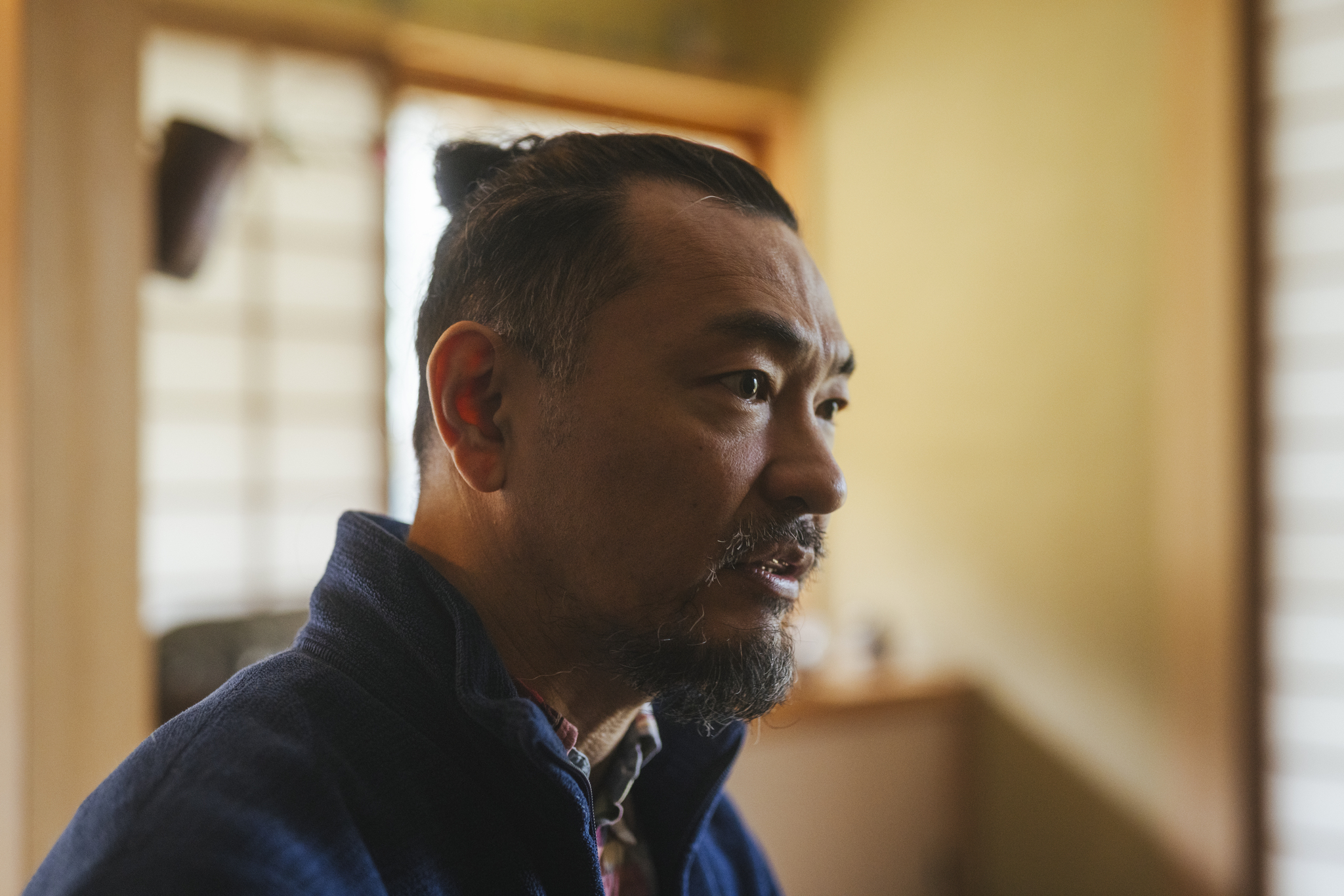
Born into the kiln family that inherited this authentic lineage is Junpei Kaneshige. To bear the name of Toyo Kaneshige is, one imagines, no light inheritance. Yet for Junpei, Bizen was never something distant or ceremonial. By his own account, it was simply part of the fabric of life—something present from childhood, woven into the rhythms of everyday existence. Once a year, relatives who were themselves potters would gather for firings, feeding the kiln with wood and tending the flames together. Within that rhythm of labor and continuity, the path toward ceramics seems to have opened before him less as a deliberate choice than as a natural unfolding.
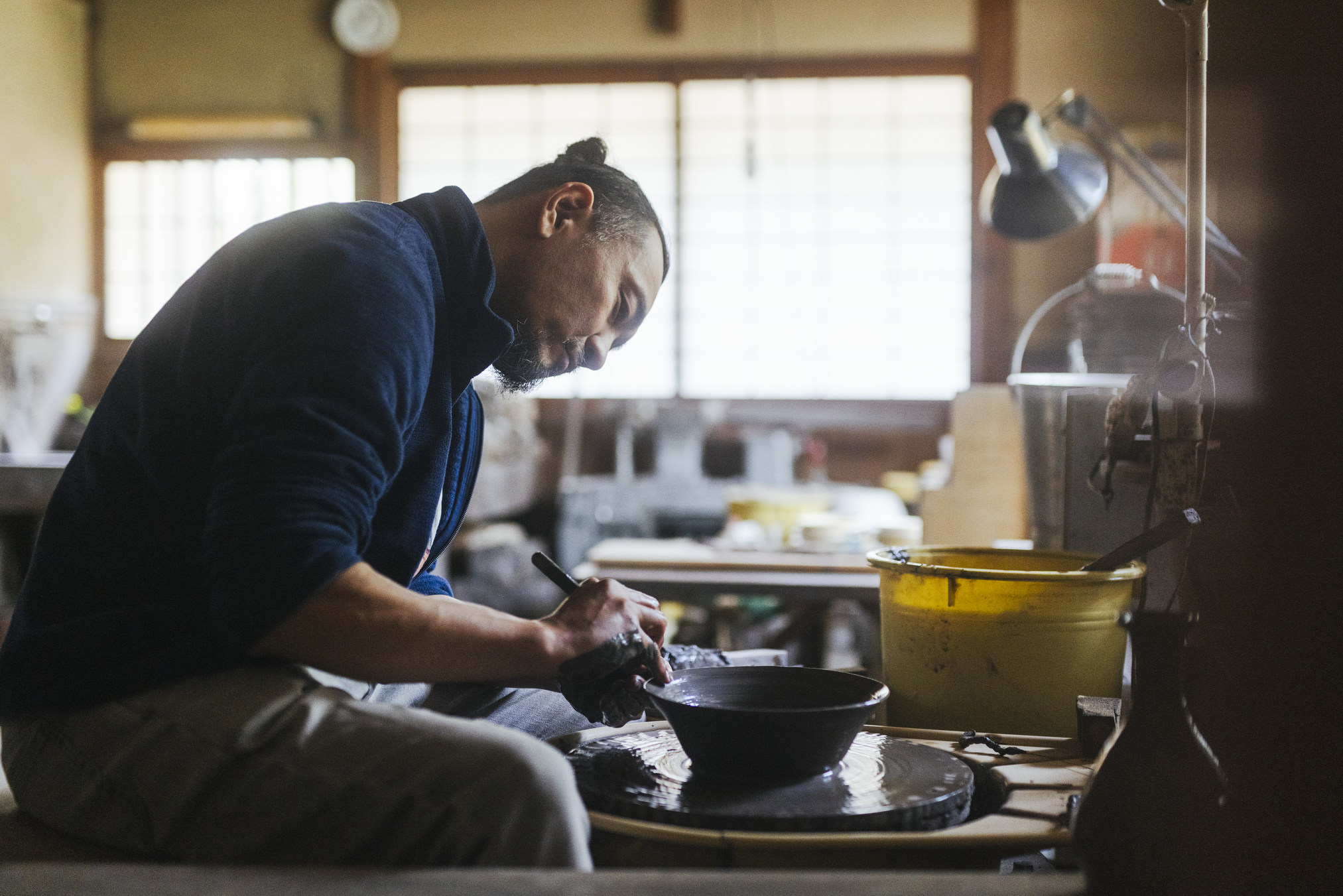
And yet Junpei Kaneshige’s work is not an exercise in merely retracing the history of a distinguished house. Grounded in techniques and values shaped over centuries, he is concerned not with repetition, but with evolution. Beneath his quiet manner lies a palpable sense of responsibility: an awareness of what it means to inherit tradition, and an equally clear resolve to carry it forward.
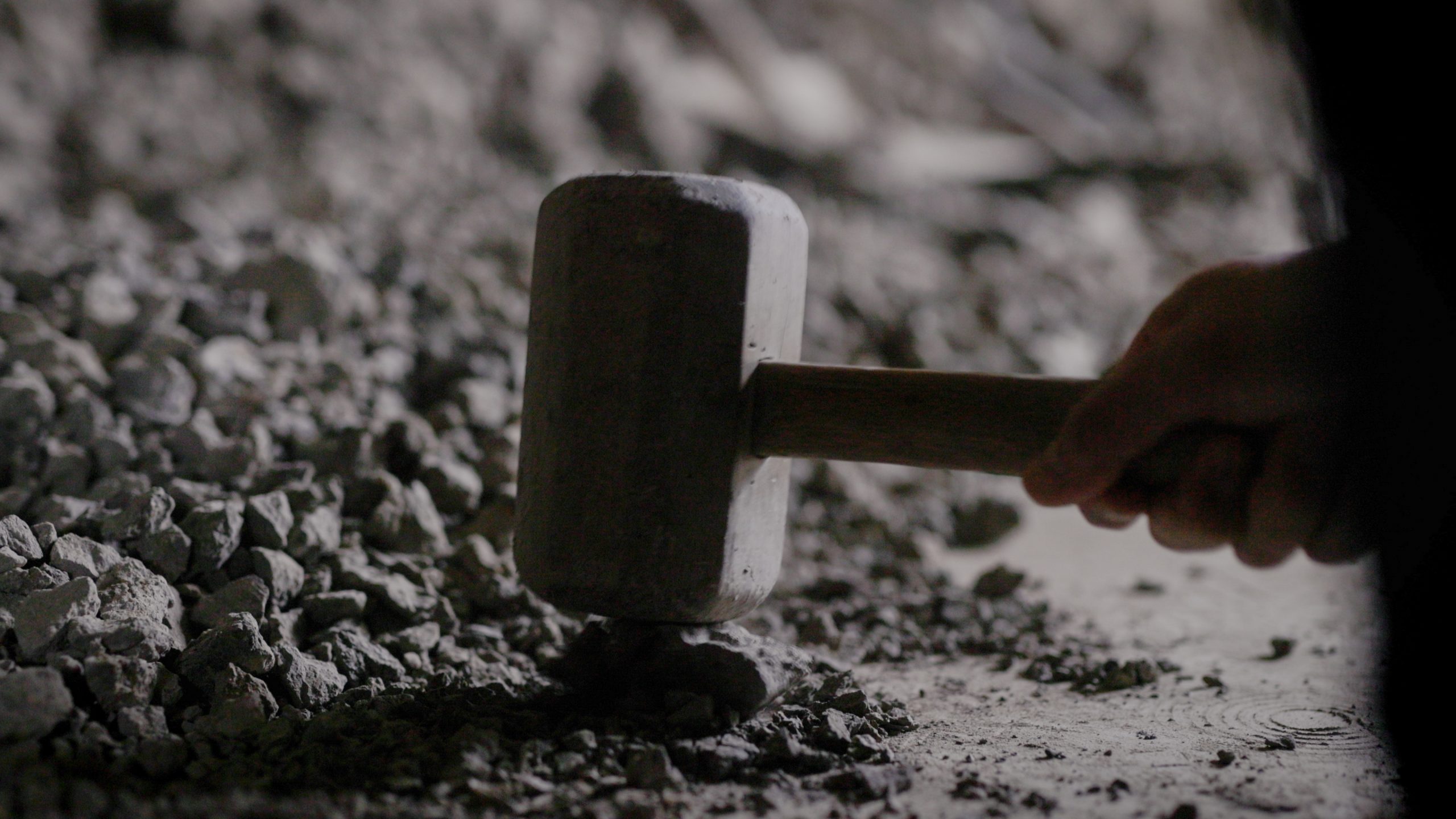
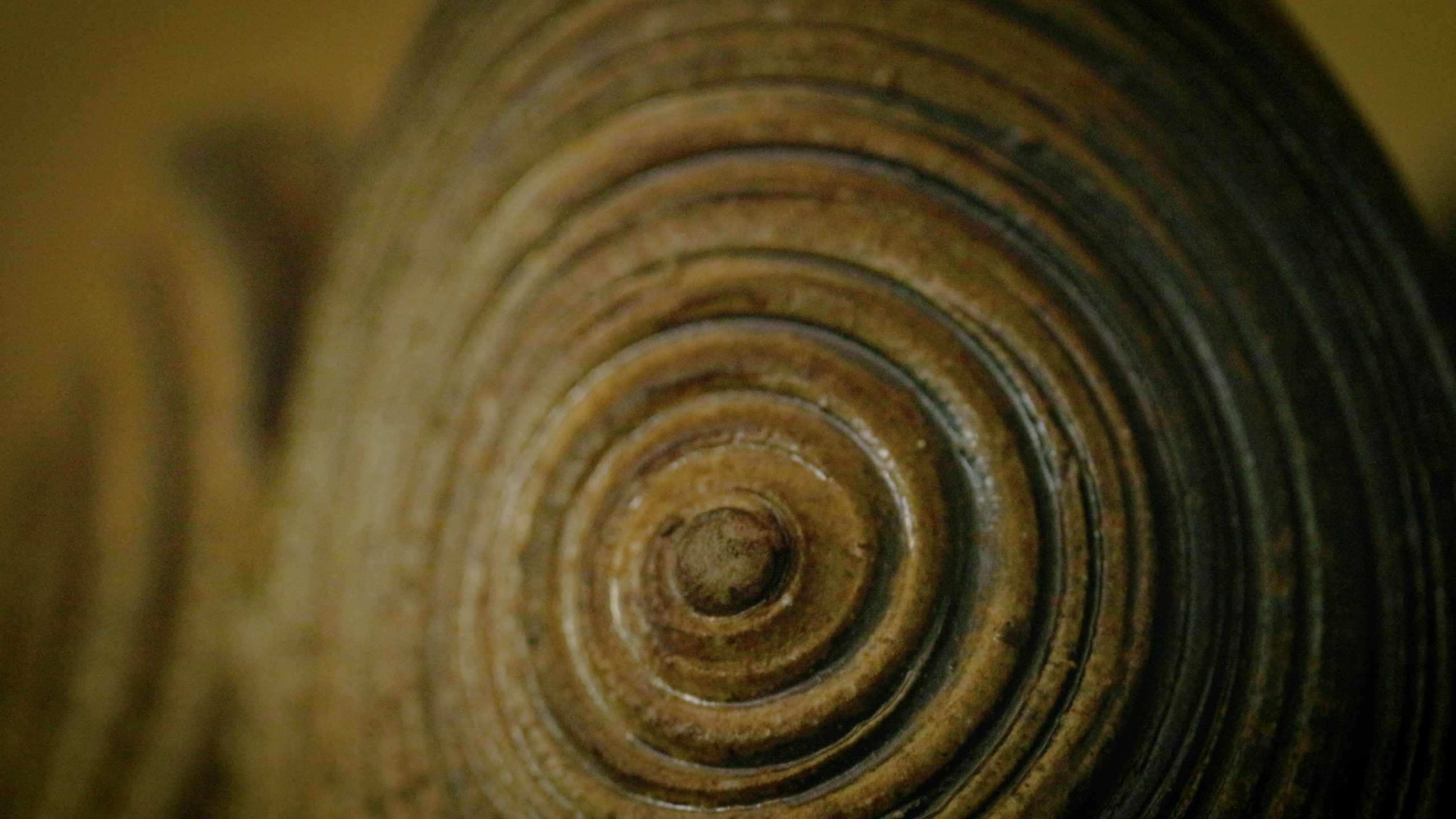
At the heart of Bizen lies, above all, clay. Among Japan’s Six Ancient Kilns, Bizen is often regarded as the tradition in which the quality and character of the clay itself most directly determine the life of the work. Drawn from former rice fields, Bizen clay is dense and highly adhesive, rich in organic matter and iron. When fired, it yields an astonishing range of surfaces and tonalities. This is the subtle wonder of Yohen—the kiln’s transformative alchemy.
To bring out the fullest character of that clay, Junpei Kaneshige allows it to age, painstakingly removes impurities, and engages it with consistency from forming through firing. His approach is defined by fidelity to the material. That sincerity—his disciplined and unembellished encounter with clay—forms the basis of the dignity his works possess.
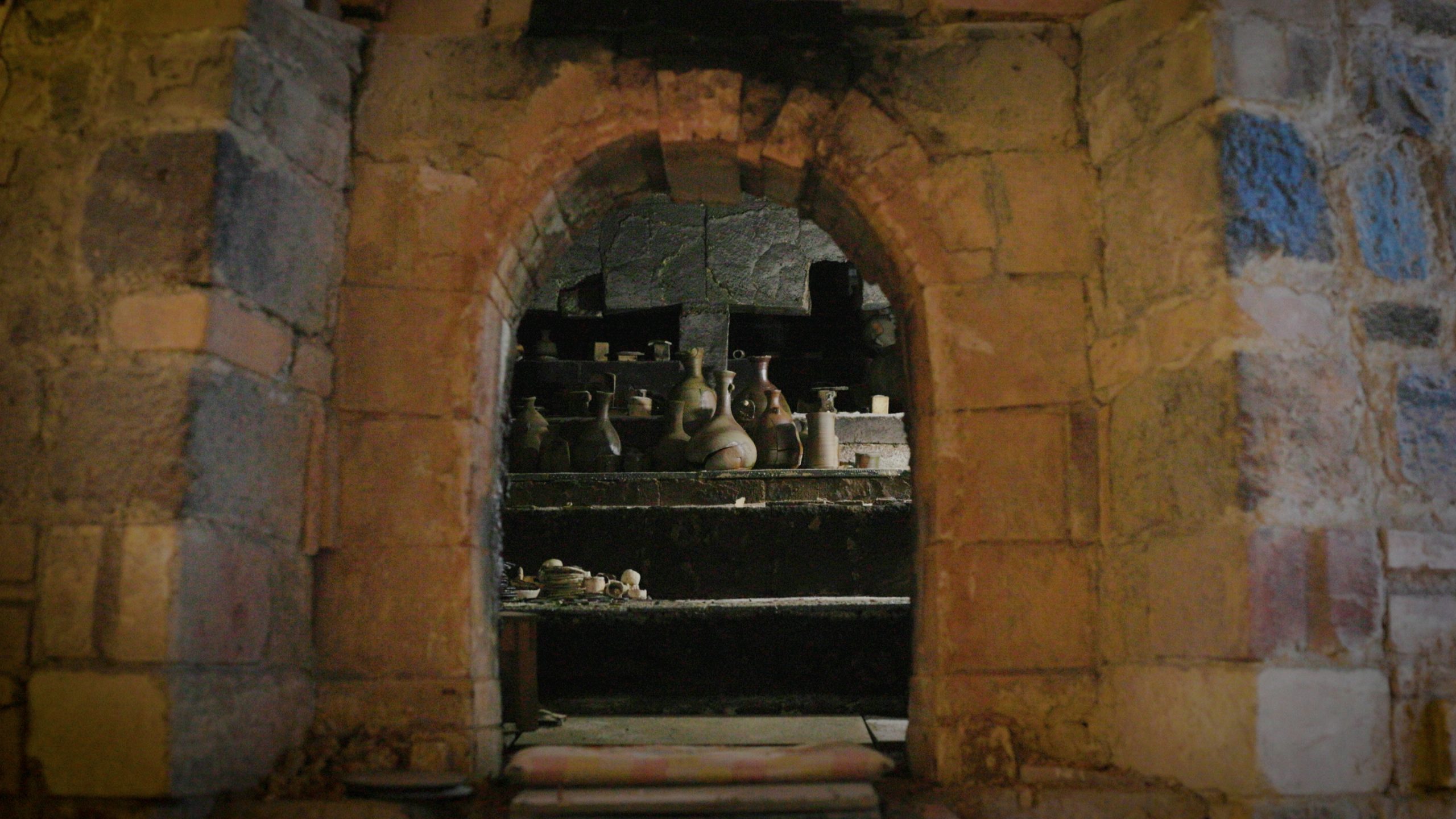
Just as essential to Bizen is the wood-fired kiln. For more than two weeks, pieces are subjected to temperatures exceeding 1,200 degrees Celsius. During that prolonged firing, ash settles across their surfaces and becomes a natural glaze. What emerges is not the result of decoration imposed from without, but of a collaboration with forces beyond total human control.
The movement of the flames, the direction of heat, the accumulation of ash, the temperature, the placement within the kiln—each element affects the final result. Every firing is therefore a process of trial, judgment, and uncertainty. In one firing, it is said, only roughly a third of the works yielded results the artist found fully satisfying.
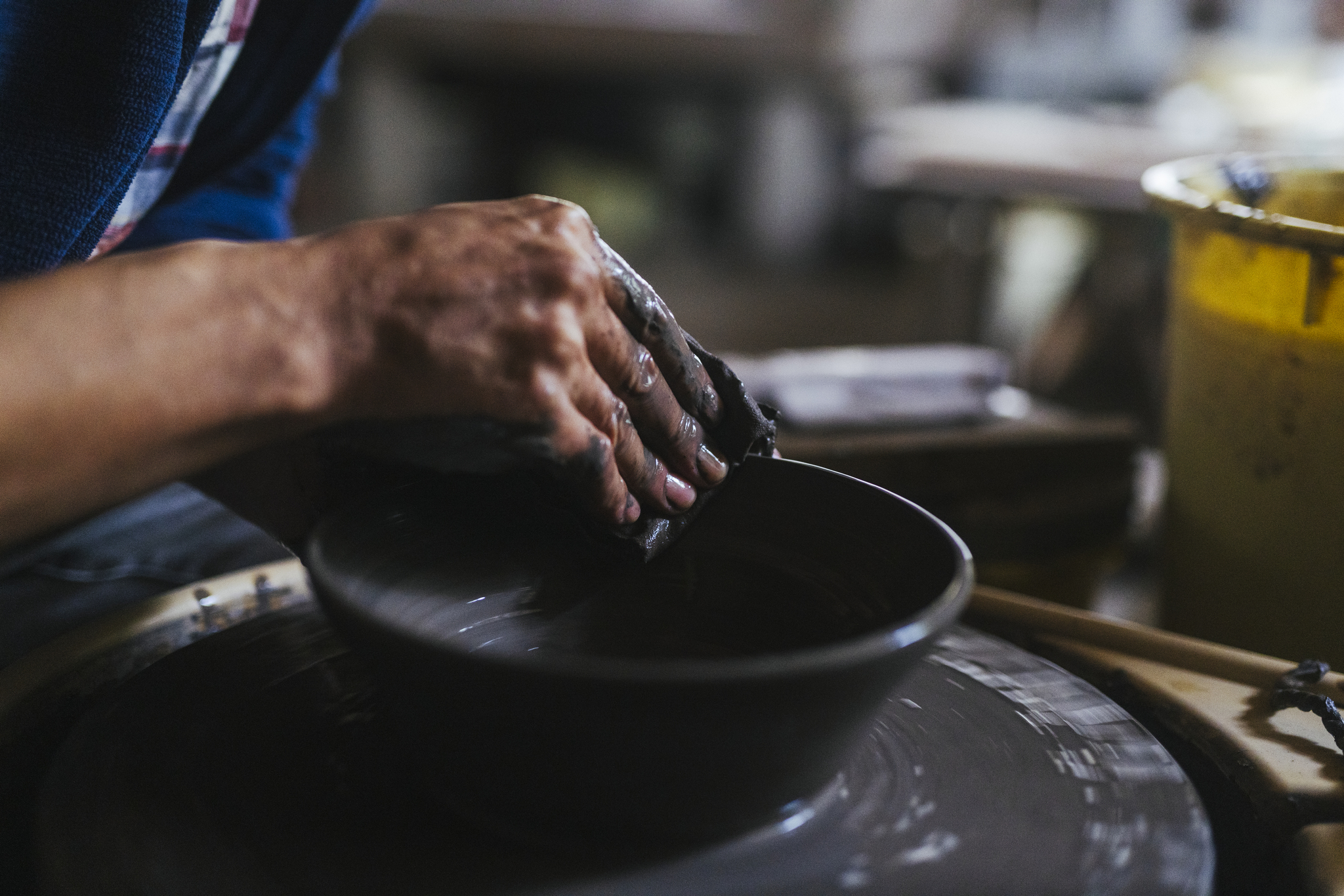
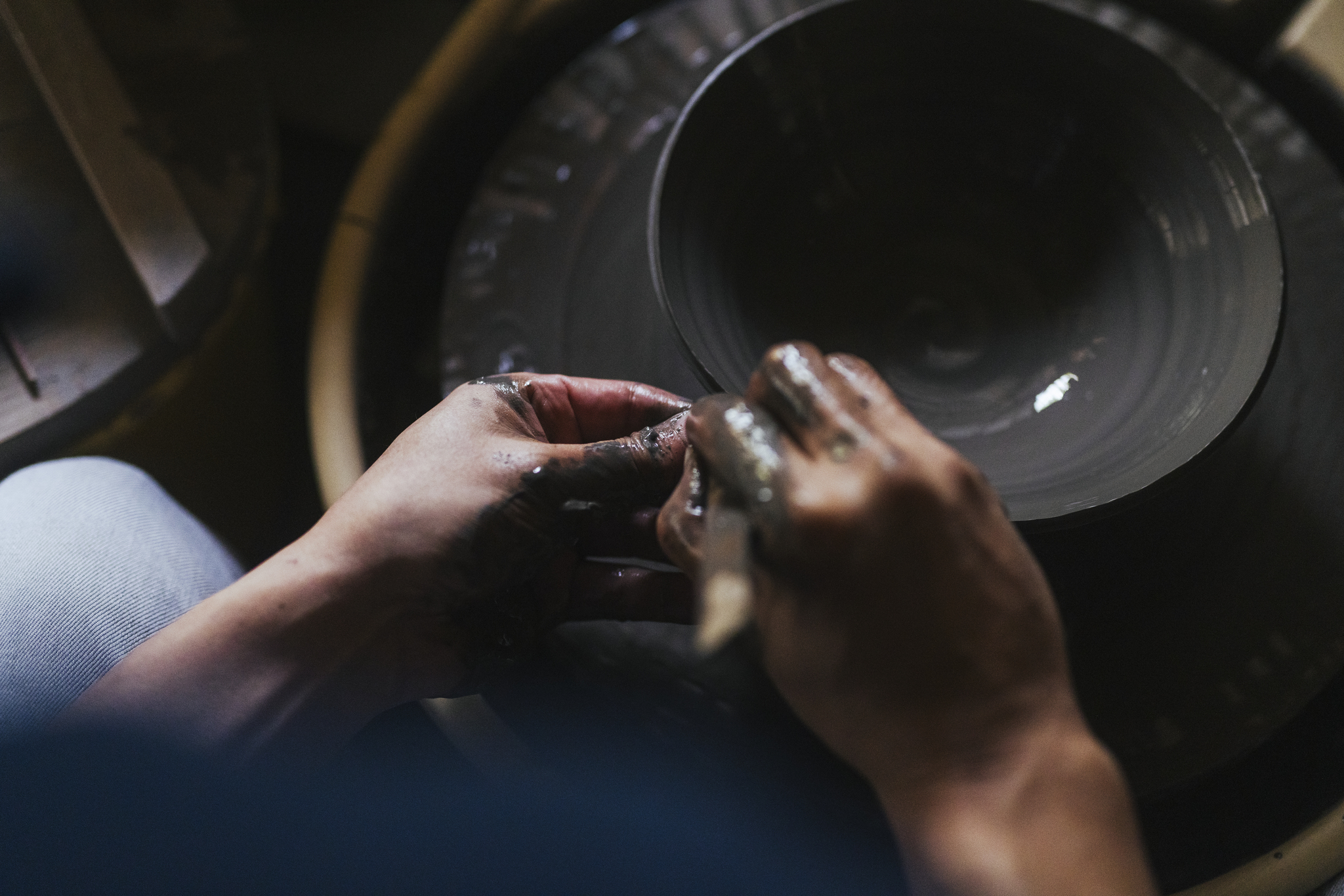
And it is precisely because of this process that no two pieces of Bizen are ever the same. Hidasuki, Botamochi, Goma—these are among the many surface effects created by fire and ash, each offering its own landscape. Yet they are not decorative motifs in the usual sense. They are traces of necessity, born within the kiln. Even when two works share the same form, no identical finish can ever be reproduced. This irreproducibility, so far removed from mass production and uniformity, lies at the very core of what Bizen is.
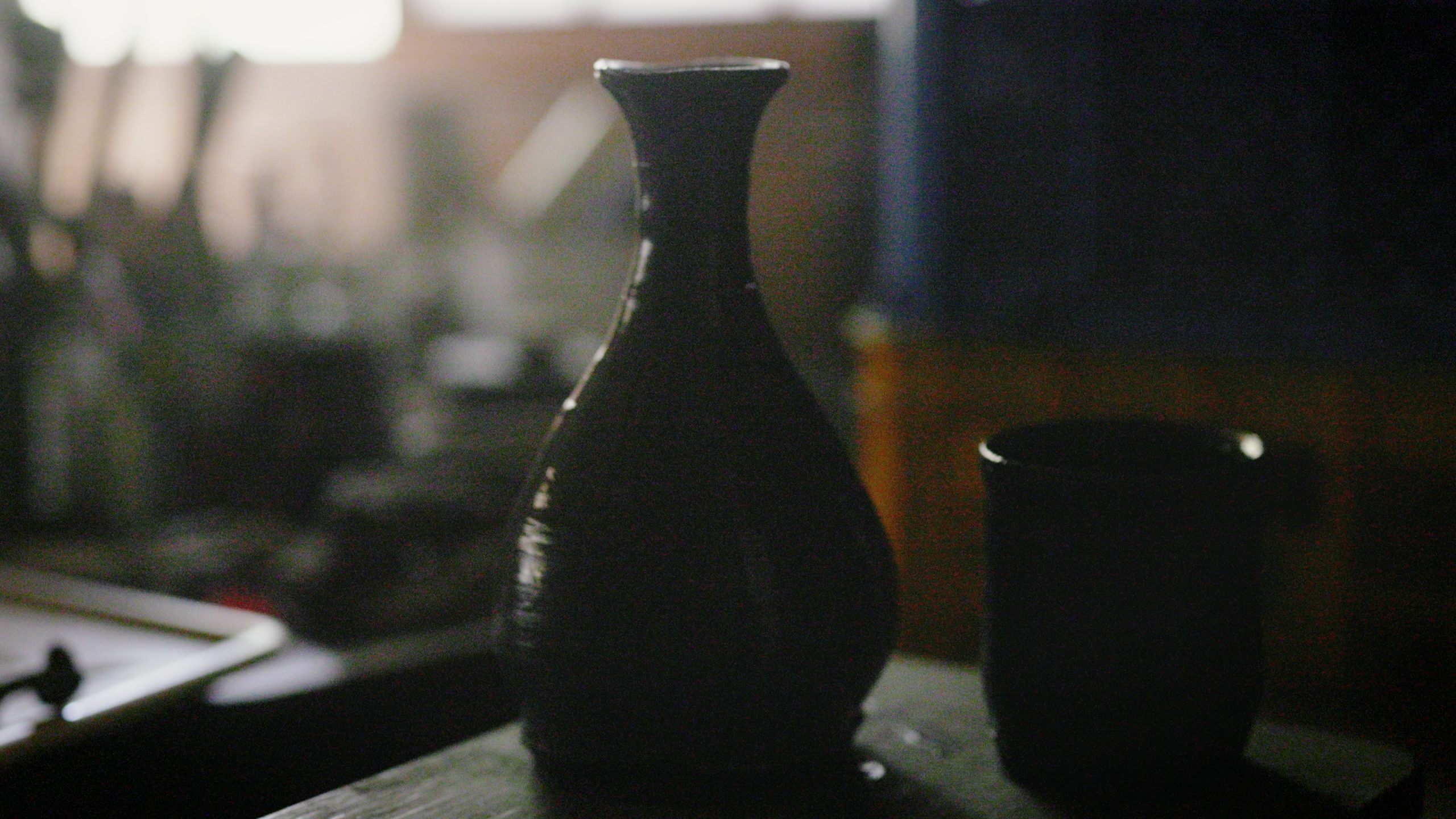
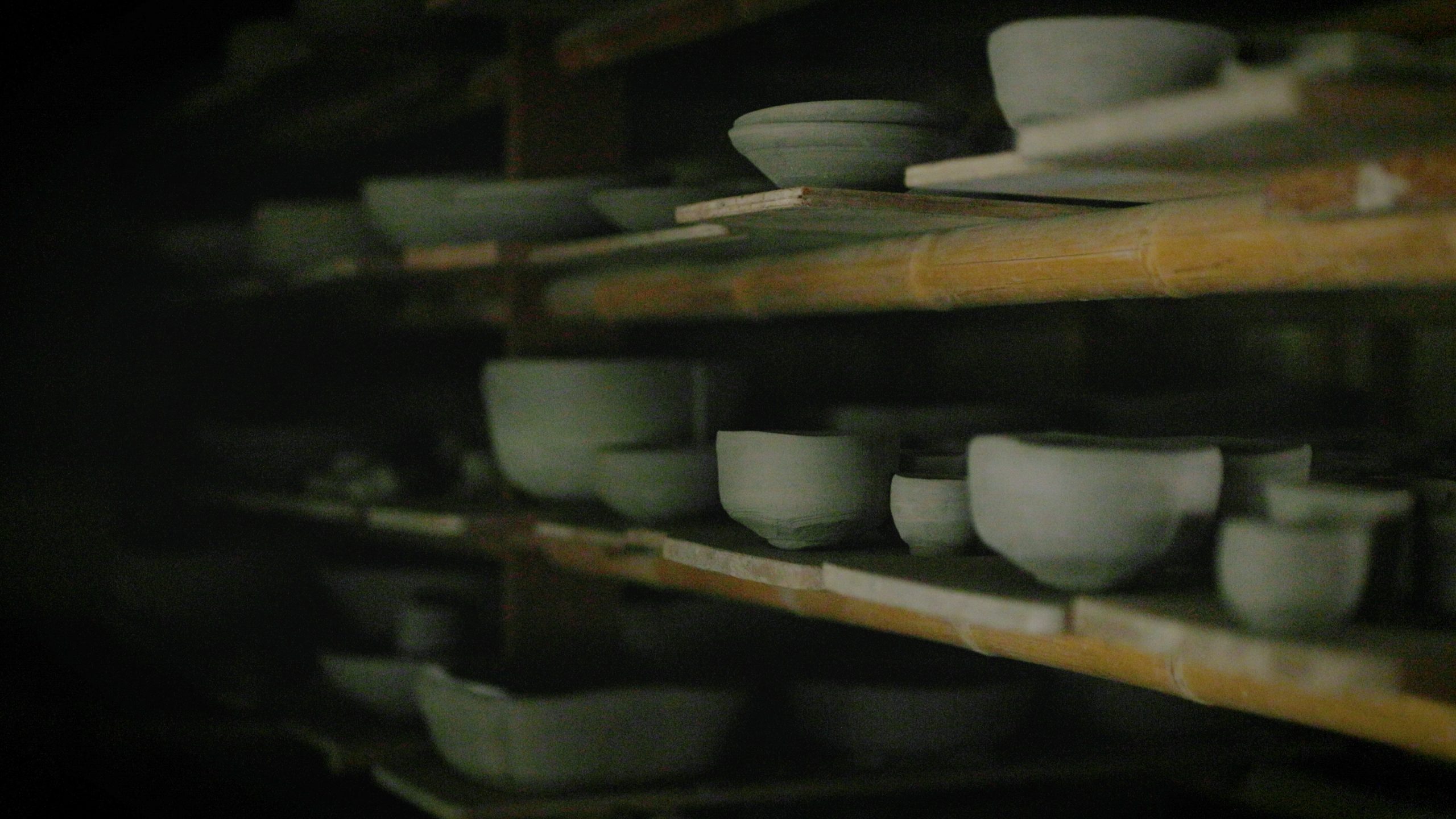
For close to a millennium, Bizen ware has refined its aesthetic in parallel with the culture of chanoyu, the Japanese tea ceremony. The ideal of wabi-sabi so prized by Sen no Rikyu finds a natural kinship here: beauty without ornament, asymmetry in place of perfection, the visible imprint of time rather than the concealment of process. What Bizen offers is not polish in the conventional sense, but a beauty released through restraint.
That sensibility feels, if anything, even more resonant today. Not luxury that announces itself loudly, but luxury that reveals itself quietly. Not excess, but discernment. Not spectacle, but depth. It is the kind of beauty that reflects, with perfect discretion, the eye of the person who chooses it.
In Junpei Kaneshige’s Bizen, one finds a lineage of genuine authority, an honest devotion to clay and flame, and the irreproducible singularity of each piece. To live with one of his works is to bring into one’s hands time itself—time shaped by earth, fire, and generations of human care. His Bizen is art that can be lived with, and culture that deserves to be carried forward.