The Japanese Sword: Forged by Hand, Filled with Energy
 Purejapan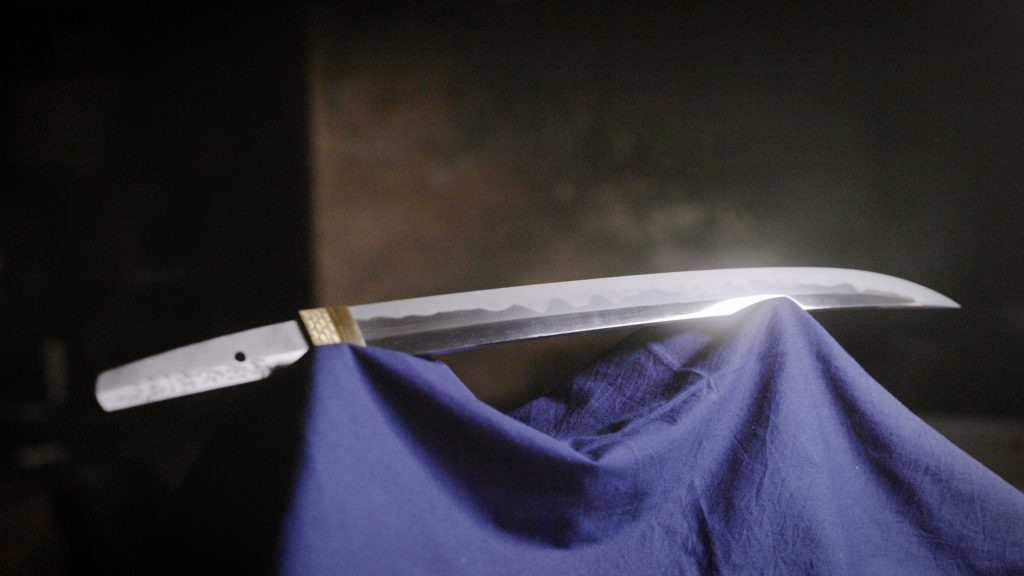
Kazuki Kawashima — Forges Harmony into Steel
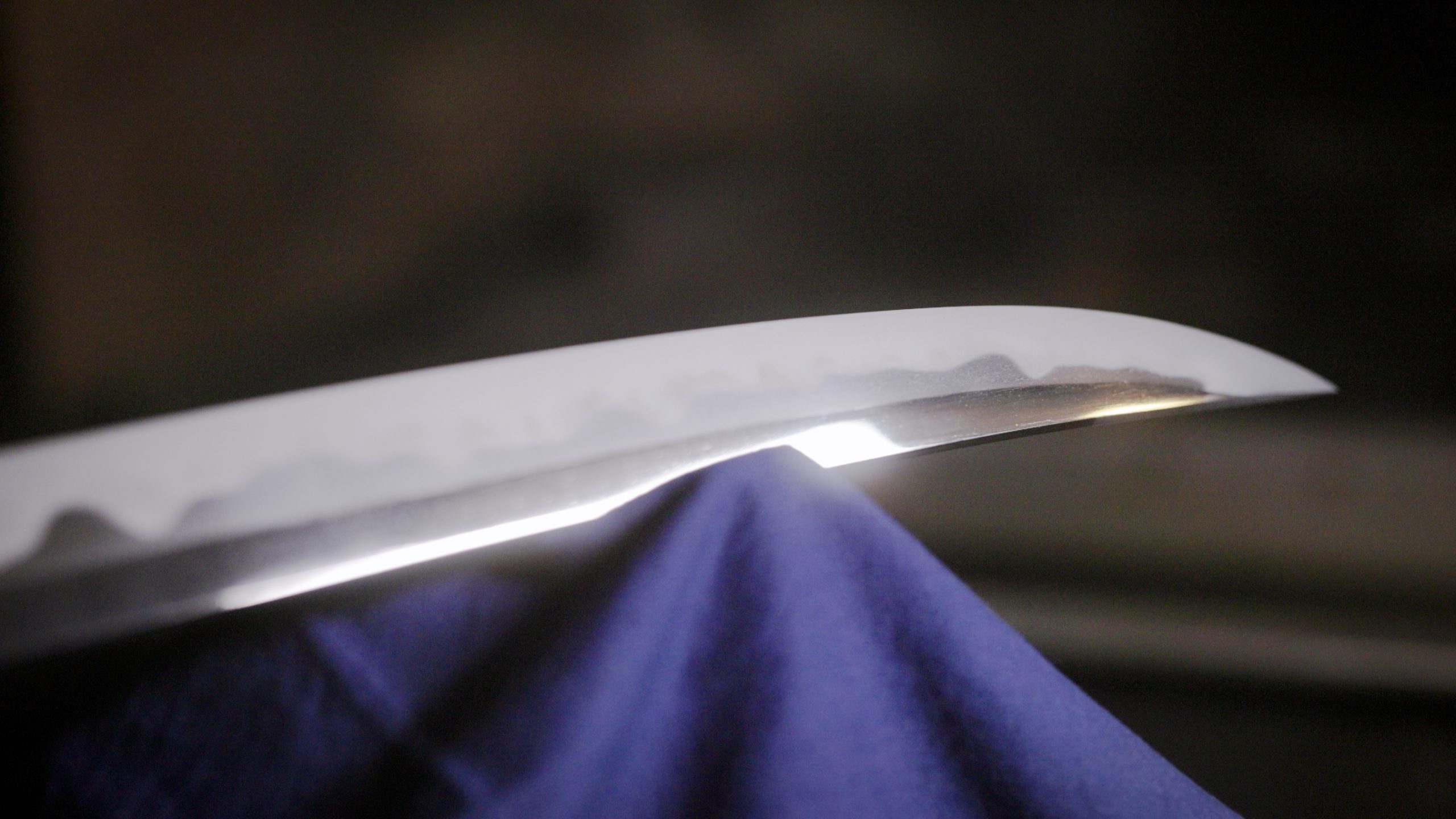
Today, Japanese swords are housed in some of the world’s most distinguished museums, including the Metropolitan Museum of Art in New York and the Museum of Fine Arts, Boston, where they are displayed as works of art. Their poised silhouettes, richly expressive steel surfaces, and temper lines that seem to hold light within them possess such beauty that one can almost forget they were, in origin, weapons.
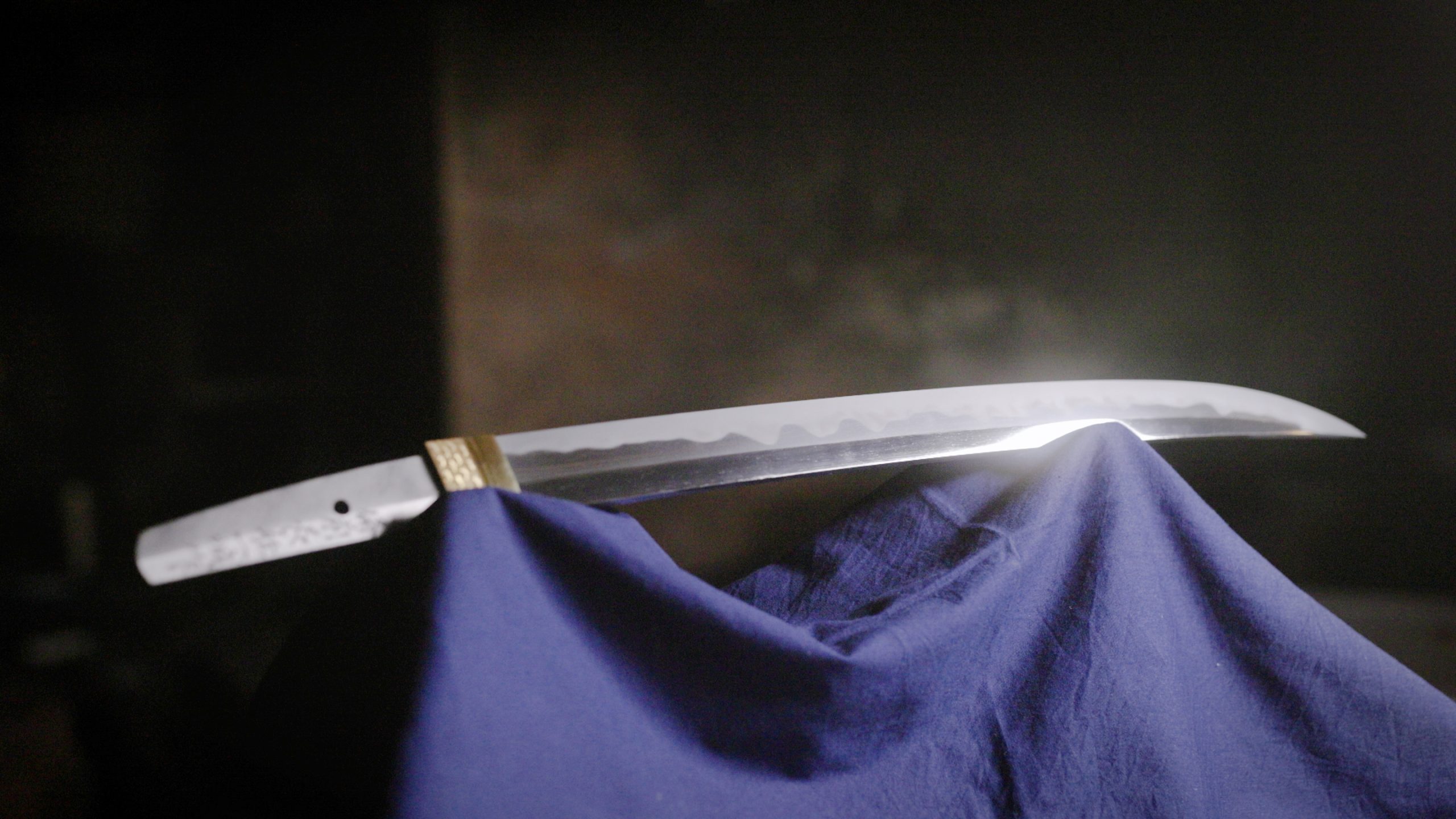
And yet, while the Japanese sword was undeniably born as an instrument of war, it did not exist solely as a tool for cutting. In Japan, there has long been another understanding of the blade: as a mamori-gatana, a protective sword believed to ward off misfortune and safeguard its owner. Even today, there is a swordsmith who continues to forge steel in the spirit of that tradition. He is Kazuki Kawashima, whose workshop stands in Bizen-Osafune, in Okayama Prefecture.
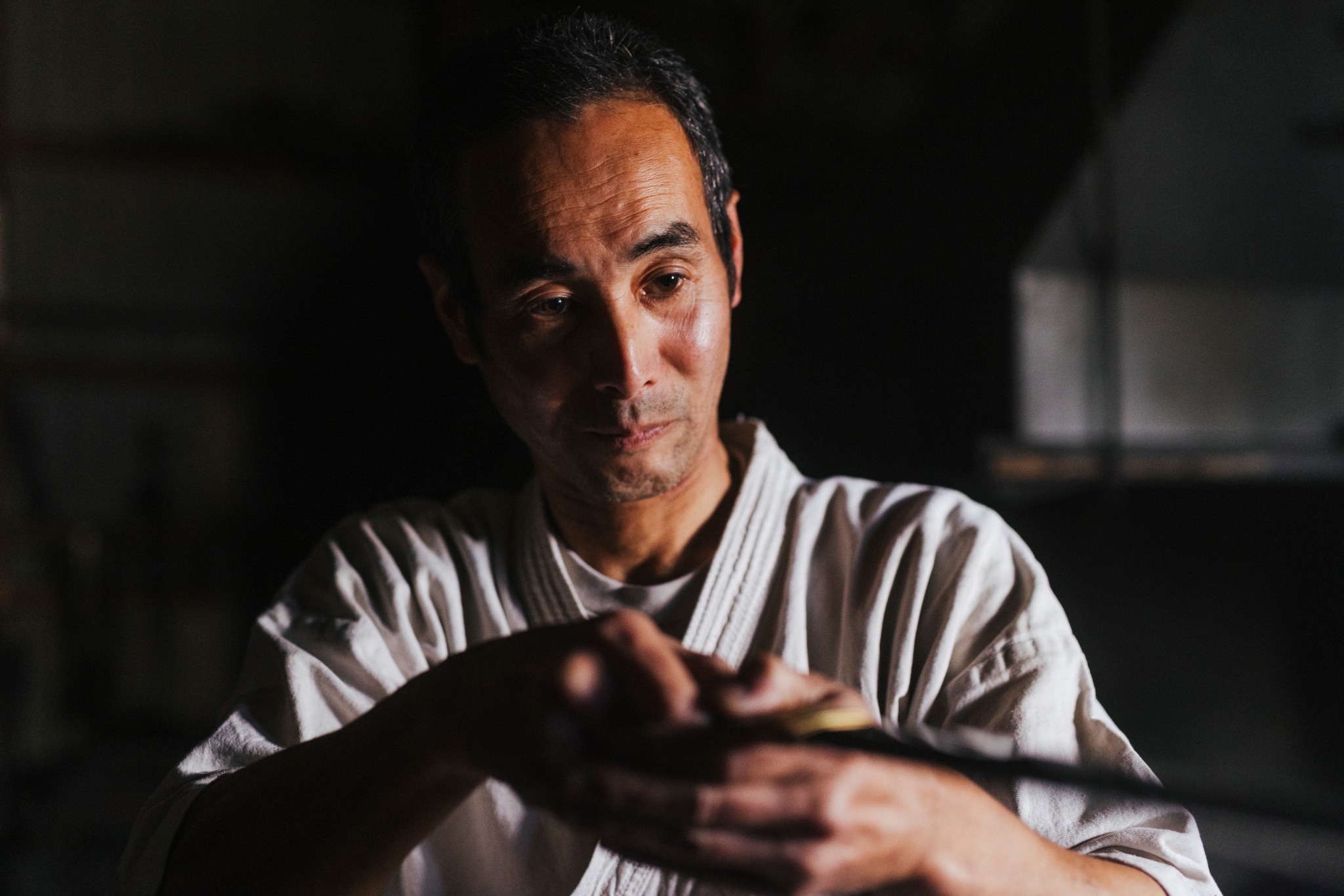
Japanese swords are traditionally grouped into five major lineages, the so-called Gokaden: Yamato, Yamashiro, Bizen, Soshu, and Mino. Among them, the Bizen tradition, which developed in what is now southeastern Okayama, has occupied a central place in the history of Japanese swordmaking since the late Heian period. Osafune in particular is widely renowned for having produced generations of master smiths and celebrated blades, and to this day retains a singular aura as sacred ground for the sword.
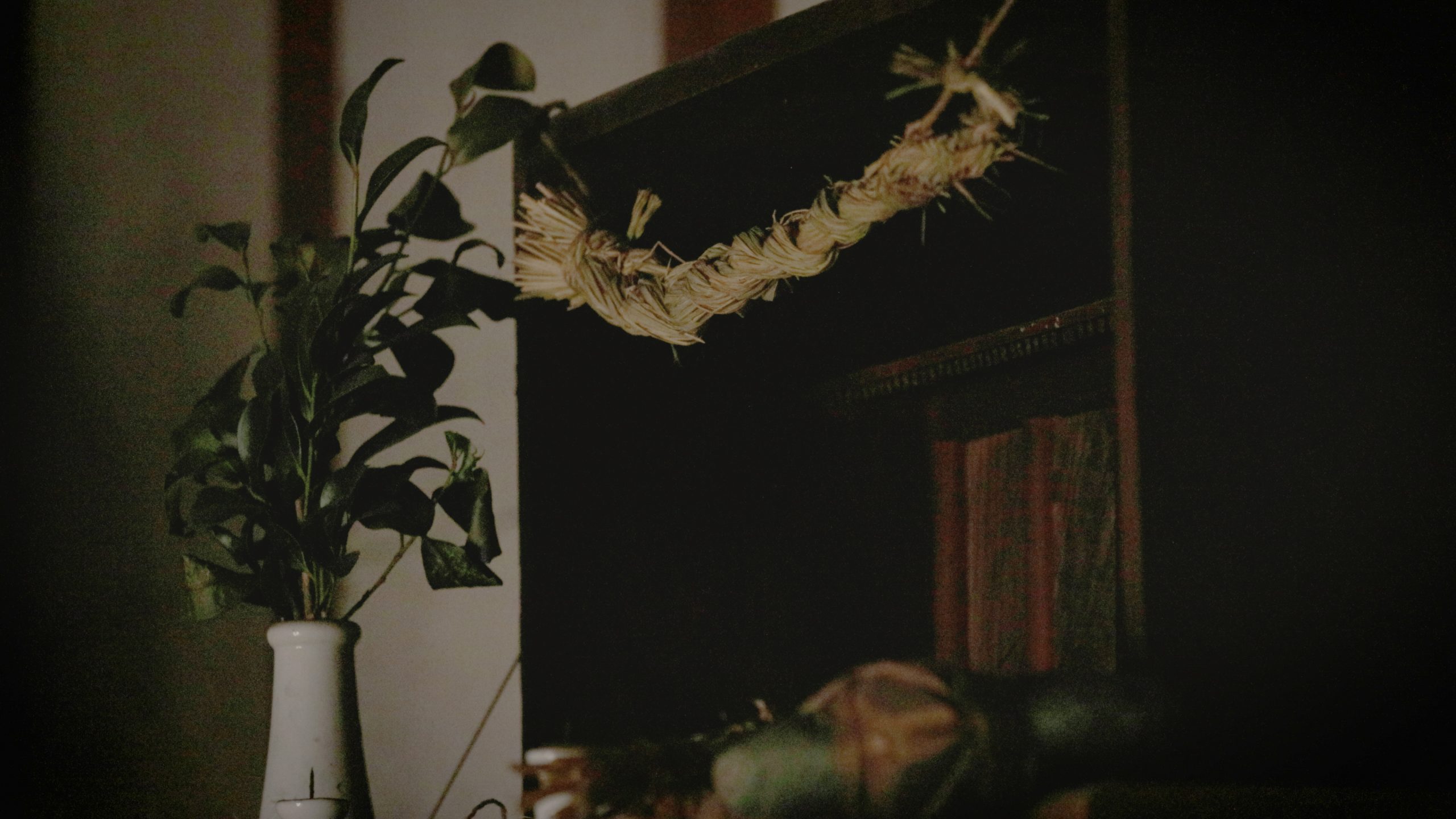
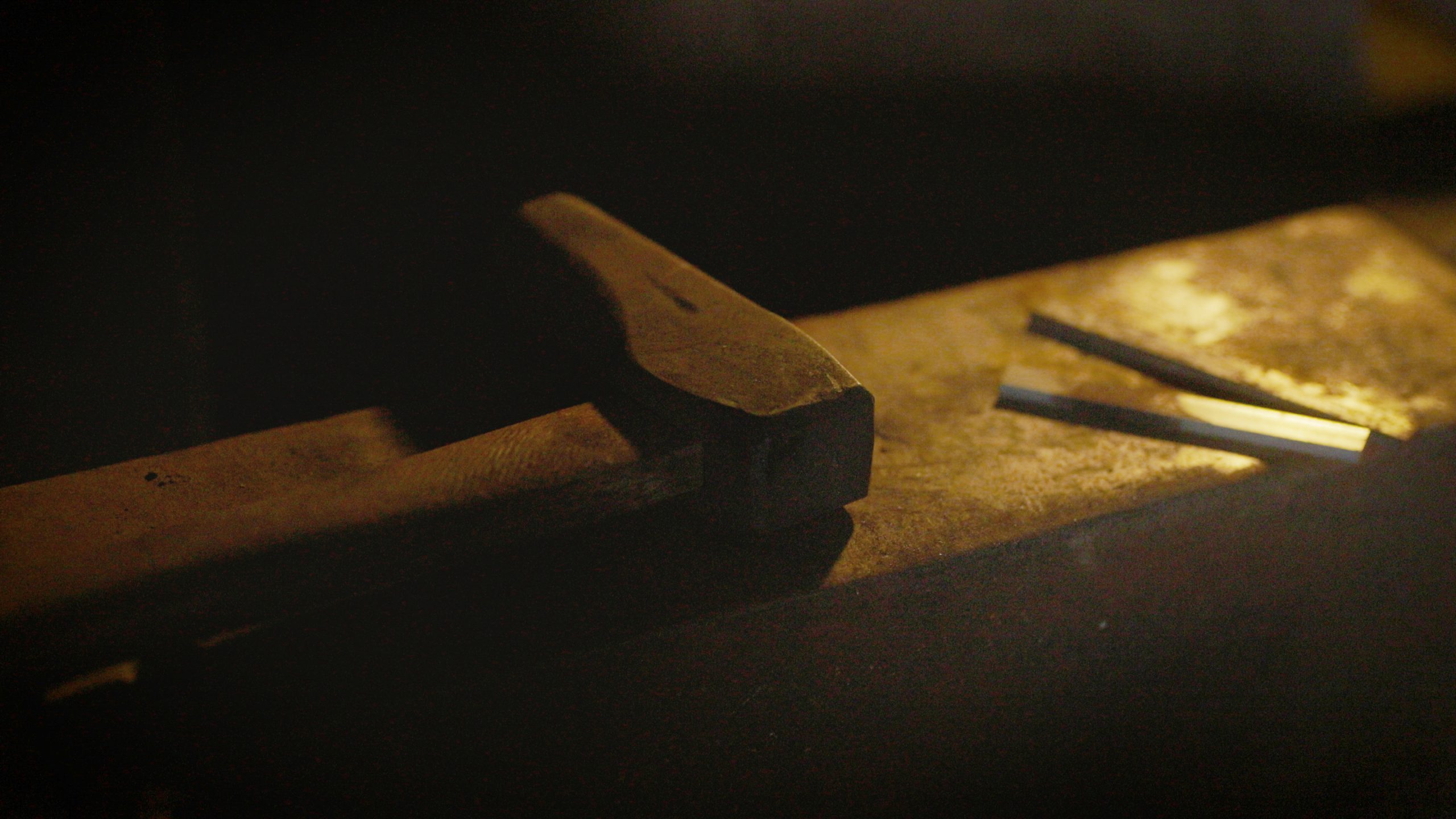
Kazuki Kawashima is a contemporary swordsmith working in that very place. Born in Aki City, Kochi Prefecture, as the eldest son of Masahide Kawashima, a fourteenth-generation metal artisan, he trained under Masanao Nakata in Seki, Gifu Prefecture, before establishing himself independently at the forge of the Bizen Osafune Sword Museum. He now spends his days in Osafune, Setouchi City, in constant dialogue with steel. One of the ideals he pursues is the beauty of the Fukuoka Ichimonji school within the Bizen tradition. Rising to prominence in the mid-Kamakura period, this lineage is celebrated for its flamboyant temper patterns and refined elegance, and may be regarded as one of the purest expressions of Bizen artistry. Kawashima’s devotion to that lineage reflects a desire to reach, from the present day, toward the very core of the aesthetic sensibility that Bizen swords have carried across the centuries.
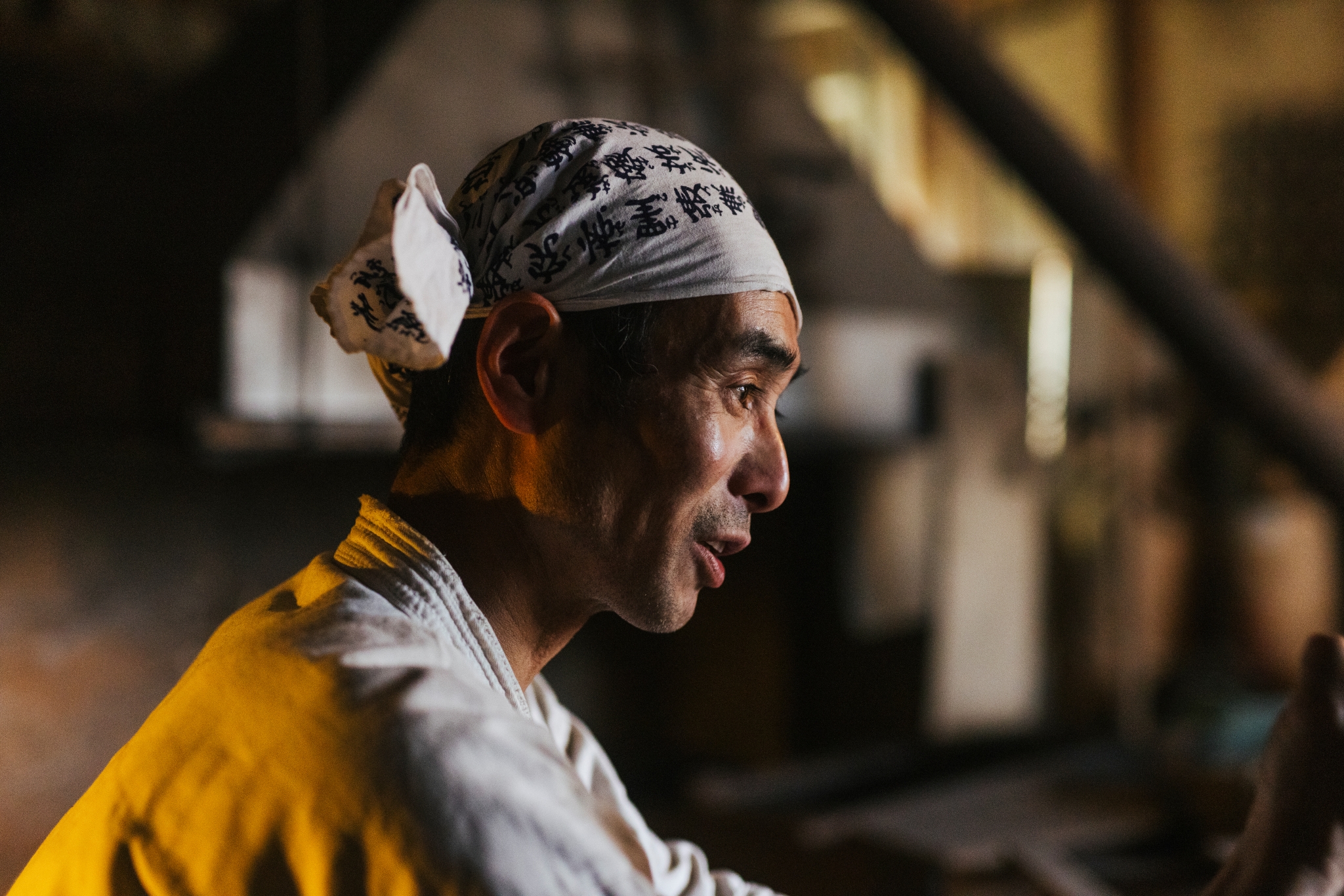
Yet what makes Kawashima truly singular lies not only in his style or technical mastery. More striking still is the depth of spirit with which he approaches the act of forging itself.
Inspired by the heat and far-infrared energy said to emanate from the human palm, Kawashima believes that the consciousness of the swordsmith may exert some influence upon the steel. His hypothesis is that by concentrating the mind deeply through the hands that forge it, changes may occur even at the level of atomic vibration within the metal itself.
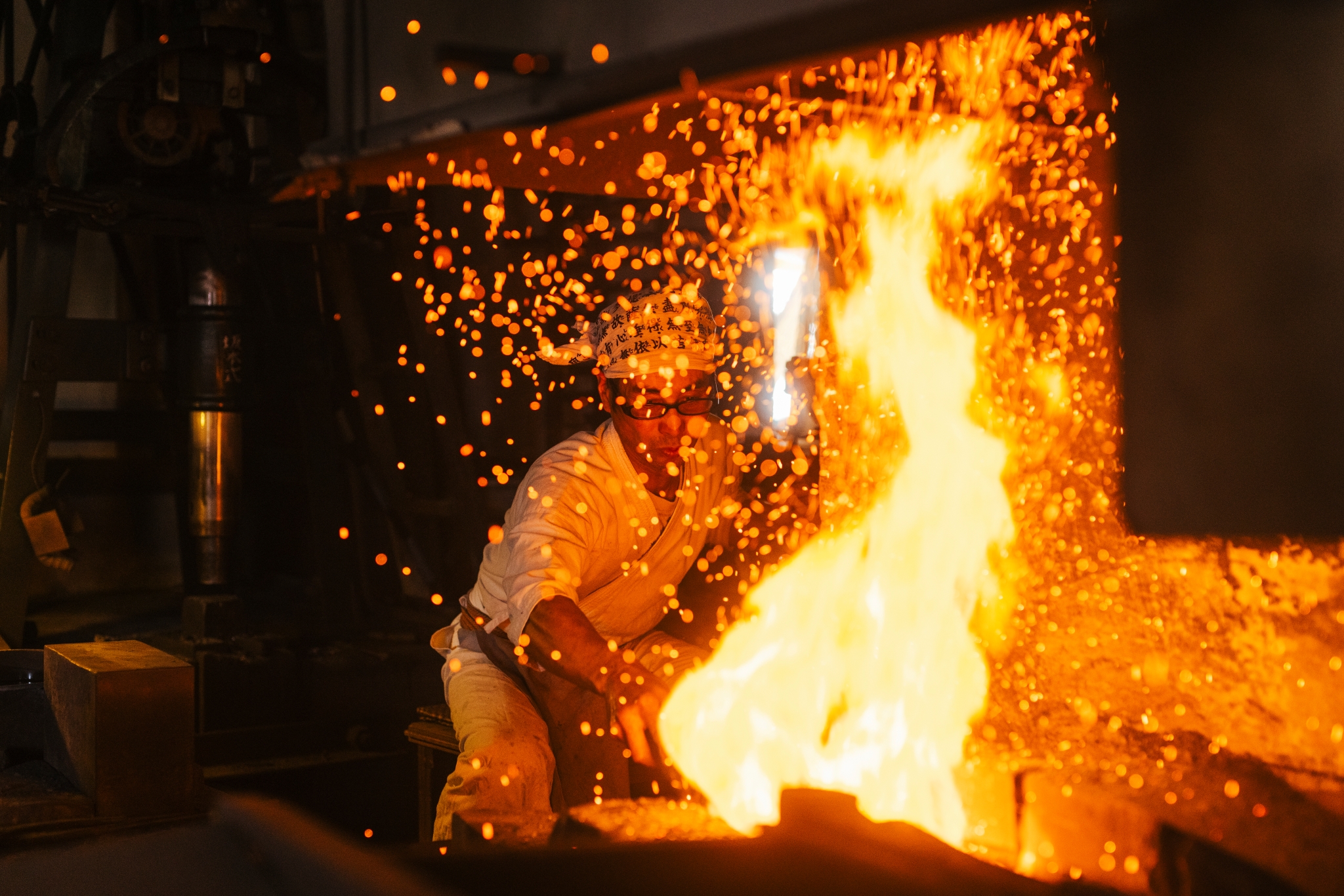
He says that when he forges a blade, he does so with the wish that the person who will one day hold it may find happiness. In his view, there is a fundamental difference between forging a sword simply as a weapon and forging one with the intention of protecting its owner. That difference, he believes, may alter the very quality of what comes to reside within the blade.
The idea becomes more tangible through one of his own comparisons. A meal prepared with care, in the hope that it will bring pleasure to the person who eats it, is received differently from food made and served with efficiency alone in mind. Even when the dish bears the same name, the experience of it is not quite the same. Kawashima believes the same may be true of the sword. The sound of each hammer blow in the forge, the fingertips that lay the clay for tempering, the almost unbearable tension before the moment of quenching—within every one of these instants, the maker’s consciousness is impressed into the work.
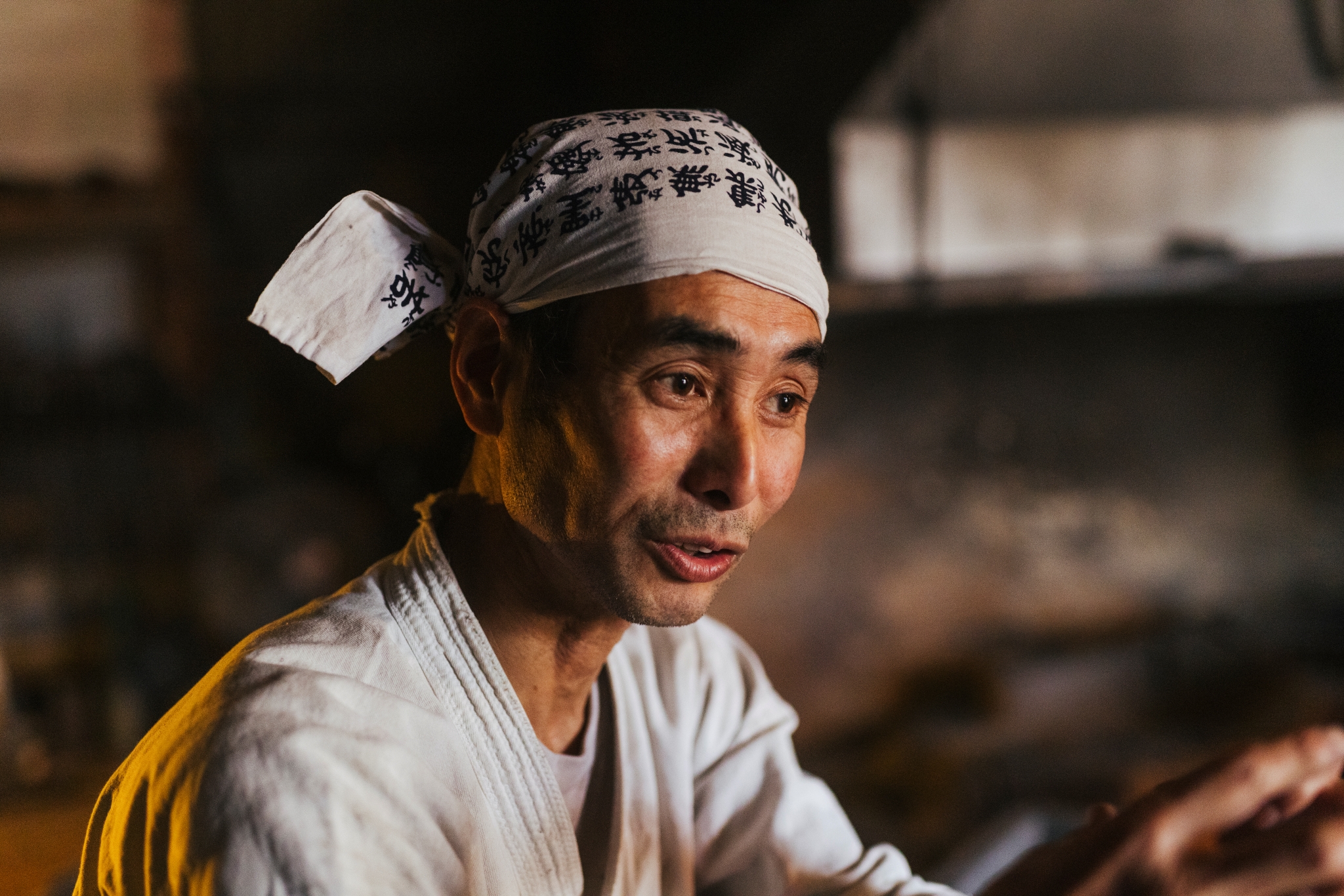
Kawashima extends this idea further through his reflections on photons, the particles of light generated when light strikes metal. When a blade forged with intentions of love and harmony catches the light, he suggests, the energy it emits may in turn bring about subtle change in its owner and in the surrounding space. Such a blade, in his view, may be what is truly meant by a mamori-gatana.
This philosophy is also shaped by the swordsmith’s own interpretation of Yamato-damashii, the spirit of Japan. Kawashima reads the ancient name Yamato as signifying “great harmony.” Rather than excluding what is different, it suggests the power to receive it and allow it to blend. He sees this spirit of concord as something that has long run through the foundations of Japanese culture, and the Japanese sword as one of its symbols.
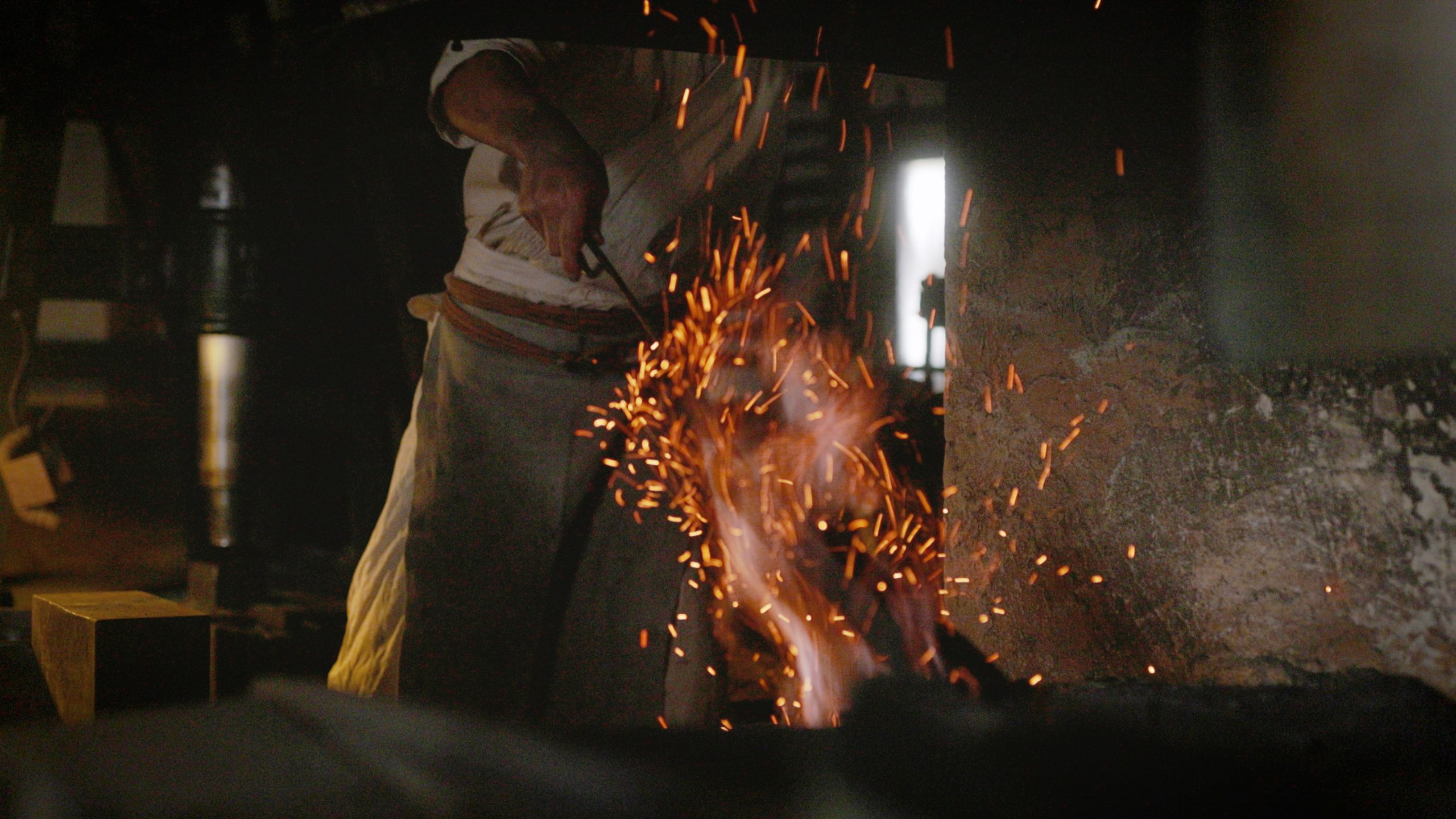
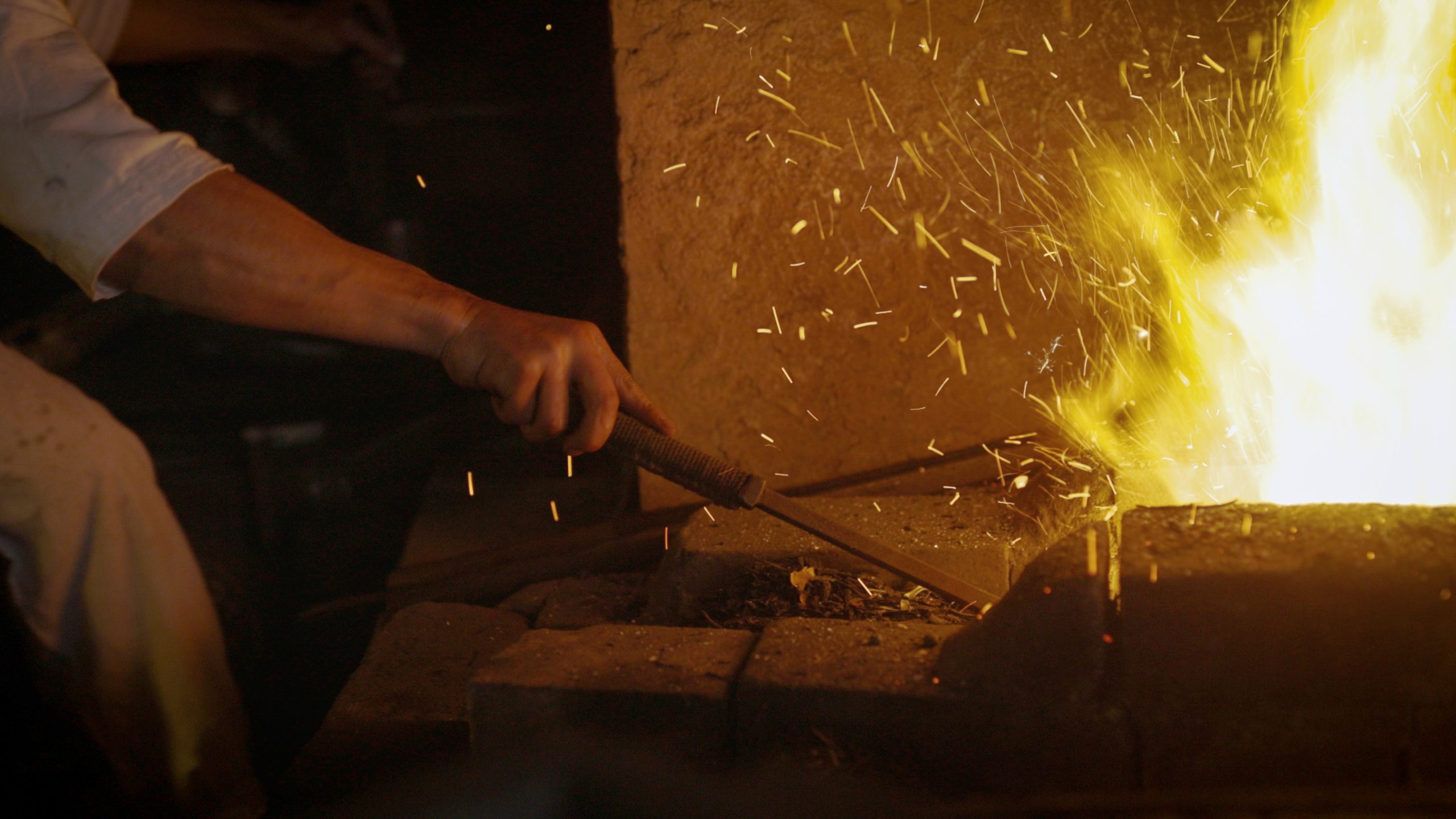
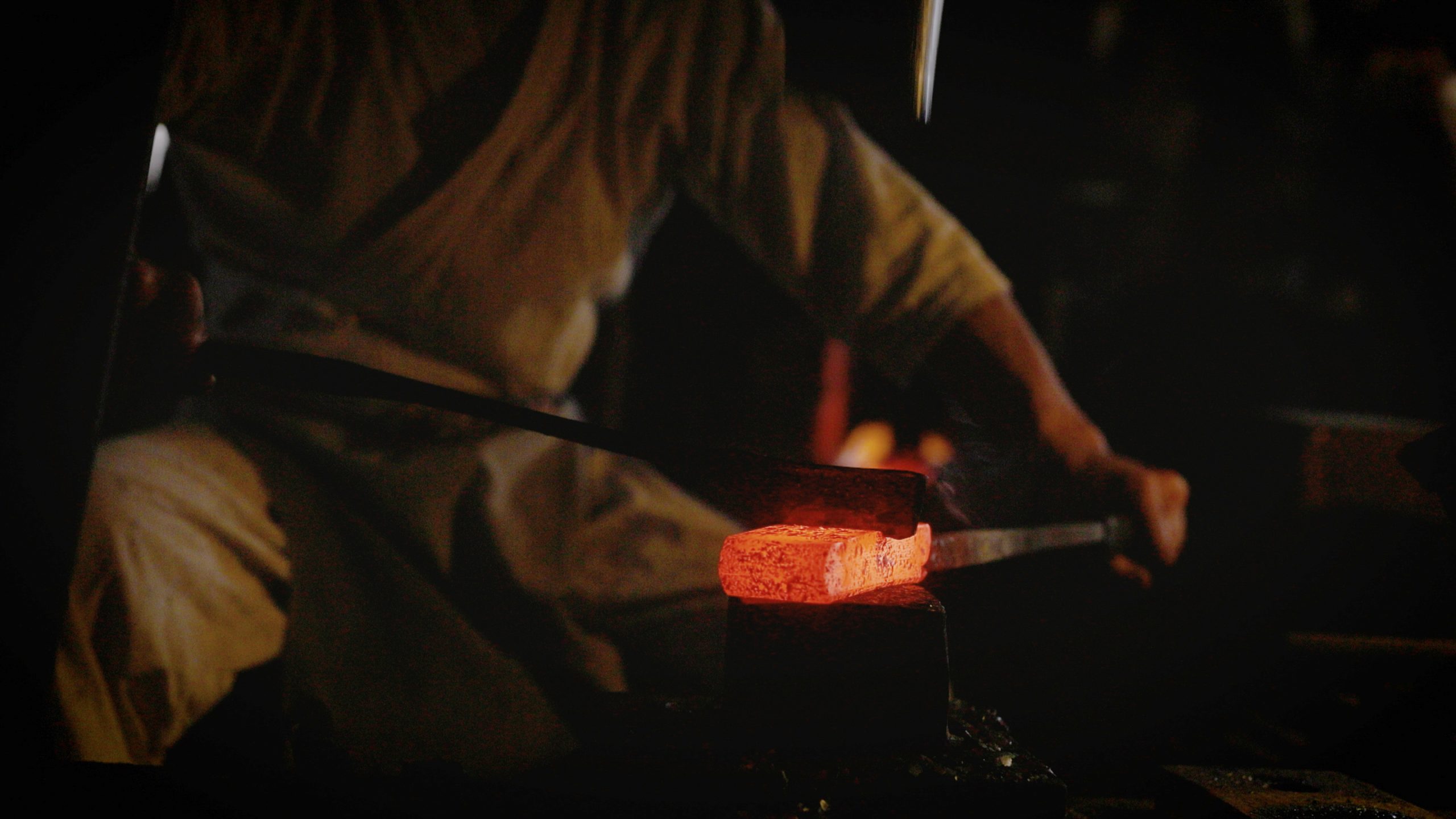
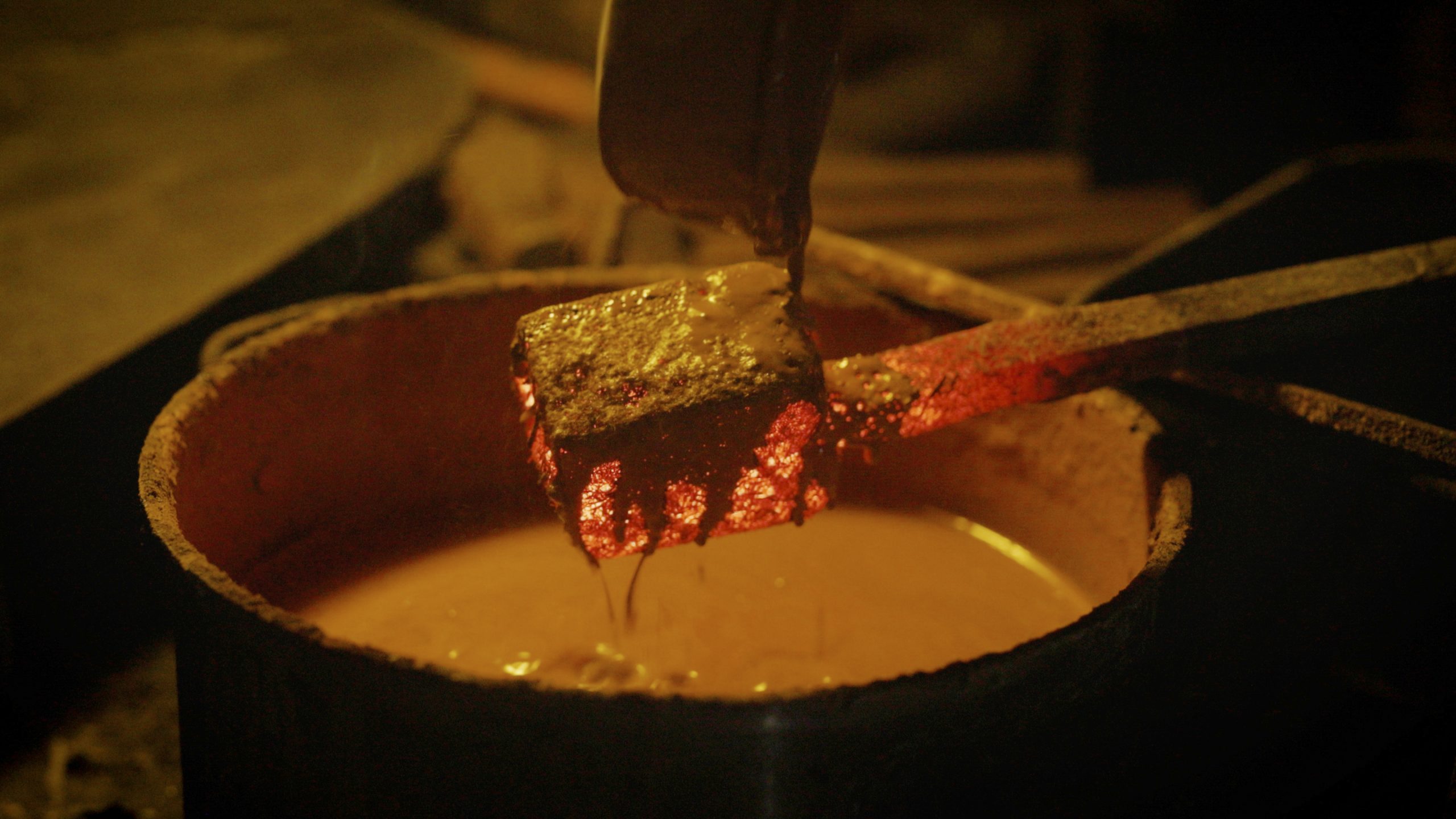
Few crafted objects, one might say, are born through a process as exacting as that of the Japanese sword. Steel is brought to extreme heat, hammered under pressure, and finally transformed through quenching. The process feels less like manufacture than like an act of concentration, as though something were being condensed and sealed through fire, water, and iron. For Kawashima, it may be not merely fabrication, but a quiet ritual through which his own thoughts and intentions are placed into the blade.
The value of visiting Bizen-Osafune lies in more than simply admiring celebrated blades. It lies in discovering what a contemporary swordsmith, standing within this long and unbroken lineage, is still striving to offer the world through the sword. Kazuki Kawashima’s work reminds us that the Japanese sword, before it is a weapon, can also be a prayer—an embodiment of the longing for harmony. True strength is not merely the power to cut through. It is also the power to calm what is turbulent, to bring order to a space, and to protect. A single blade born from the forge in Osafune speaks of this not loudly, but quietly, in the light that rests along its edge.